
Zinc Deficiency in Plants: Symptoms and Treatment
Zinc deficiency is a common issue in plants and fruit trees, leading to reduced growth, flower and fruit drop, and lower crop quality. Zinc is an essential element for plant development, playing a key role in hormone production, chlorophyll synthesis, and fruit formation. Identifying the symptoms of zinc deficiency in plants helps you take timely action and prevent yield losses.
What Is Zinc Deficiency?
Zinc is an essential micronutrient involved in plant metabolism. Low soil zinc or poor uptake prevents plants from meeting their needs. It is more common in calcareous, light, high-pH soils and may cause poor shoot growth, reduced flowering and fruiting, and smaller leaves. It occurs in fruit trees, vegetables, and field crops.
Zinc Deficiency Symptoms in Plants
Zinc deficiency has clear symptoms that help identify the problem quickly:
Leaf Symptoms
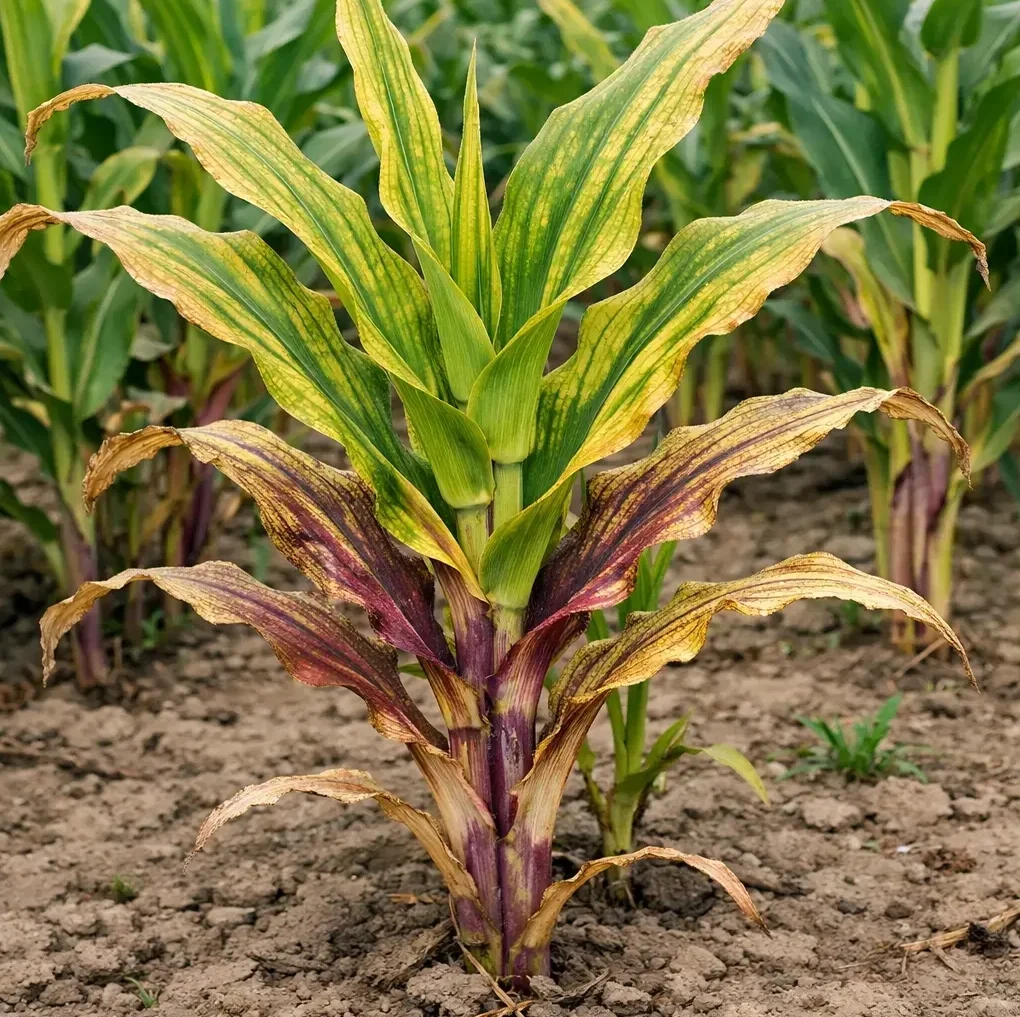
Early signs include small leaves and interveinal chlorosis. Young leaves may develop poorly, with curled edges and yellow or white spots between veins.
Branch and Stem Symptoms
Branches and new shoots become short and thin, with slow or stunted growth. This issue is especially common in young plants and newly planted trees. Stems may become weak and fragile, unable to support the weight of flowers and fruits.
Flower and Fruit Symptoms
Zinc deficiency reduces the number of flowers and causes premature flower and fruit drop. Fruits may become smaller, lower in quality, and less sweet. This issue is especially significant for fruit trees and orchard crops, as it directly affects yield and profitability.
Causes of Zinc Deficiency
Several key factors contribute to zinc deficiency in plants. Calcareous or alkaline soils with high pH make zinc uptake difficult. Additionally, excessive rainfall or over-irrigation can leach nutrients and reduce zinc levels in the soil. Soils low in organic matter and long-term use of unbalanced fertilizers are other common causes of this problem.

Zinc Deficiency Treatment Methods
Various methods can be used to correct zinc deficiency, including soil fertilization and foliar sprays. Our products can help address zinc deficiency in plants. These fertilizers, with an optimal combination of zinc and other essential nutrients, improve plant health and promote better growth and higher yields.
Soil Fertilization
Complete zinc fertilizers can meet plant needs. Application rates depend on the crop and soil test and should follow the product instructions.
Foliar Application
Foliar spraying with zinc fertilizers, especially chelated forms, allows for rapid uptake of the nutrient through the leaves. The best time for application is during early plant growth and before flowering begins to ensure maximum effectiveness.
Soil Fertilization
Complete NPK can improve zinc effectiveness, but excess phosphorus should be avoided because it reduces zinc uptake.
Zinc Deficiency Prevention Tips
To prevent zinc deficiency in plants, it is recommended to conduct soil tests every two to three years. Additionally, following proper fertilizer application rates and regularly performing foliar sprays help maintain plant health. Using balanced and organic fertilizers also enhances the uptake of essential nutrients by plants.
Zinc Deficiency and Yield Loss
Zinc deficiency reduces both plant growth and crop quality. In fruit trees, vegetables, and field crops, it may cause smaller fruit, less sweetness, and shorter shelf life. Early detection and treatment are important.
Zinc deficiency can also reduce resistance to pests and diseases. Low-zinc plants may be more prone to fungi, insects, and leaf or stem diseases. Regular zinc supply supports crop quality and plant health.
Practical Tips for Farmers and Growers
To prevent zinc deficiency and maintain plant health, following a few simple yet effective practices is essential:
- Soil Testing: Test orchard or field soil every 2–3 years to monitor nutrient levels.
- Irrigation Management: Over- or under-irrigation can reduce zinc uptake. Plan irrigation based on crop needs and soil type.
- Balanced Fertilizers: Fertilizers with zinc and essential nutrients help prevent and treat zinc deficiency.
- Regular Foliar Application: Apply zinc to leaves early in growth and before flowering for fast uptake and action.
- Combining Nutrients: Zinc-containing NPK can be more effective, but avoid excess phosphorus to prevent reduced zinc uptake.
Frequently Asked Questions (FAQ)
When Is Zinc Deficiency More Common?
Zinc deficiency is most commonly observed during the growing season and in spring, when plants have higher nutrient requirements.
Is Foliar Zinc Effective?
Yes, foliar application is the fastest method to correct zinc deficiency in plants, allowing rapid and effective nutrient uptake through the leaves.
When Should Zinc Fertilizer Be Applied?
During early plant growth and before flowering, to ensure maximum zinc uptake and effectiveness.